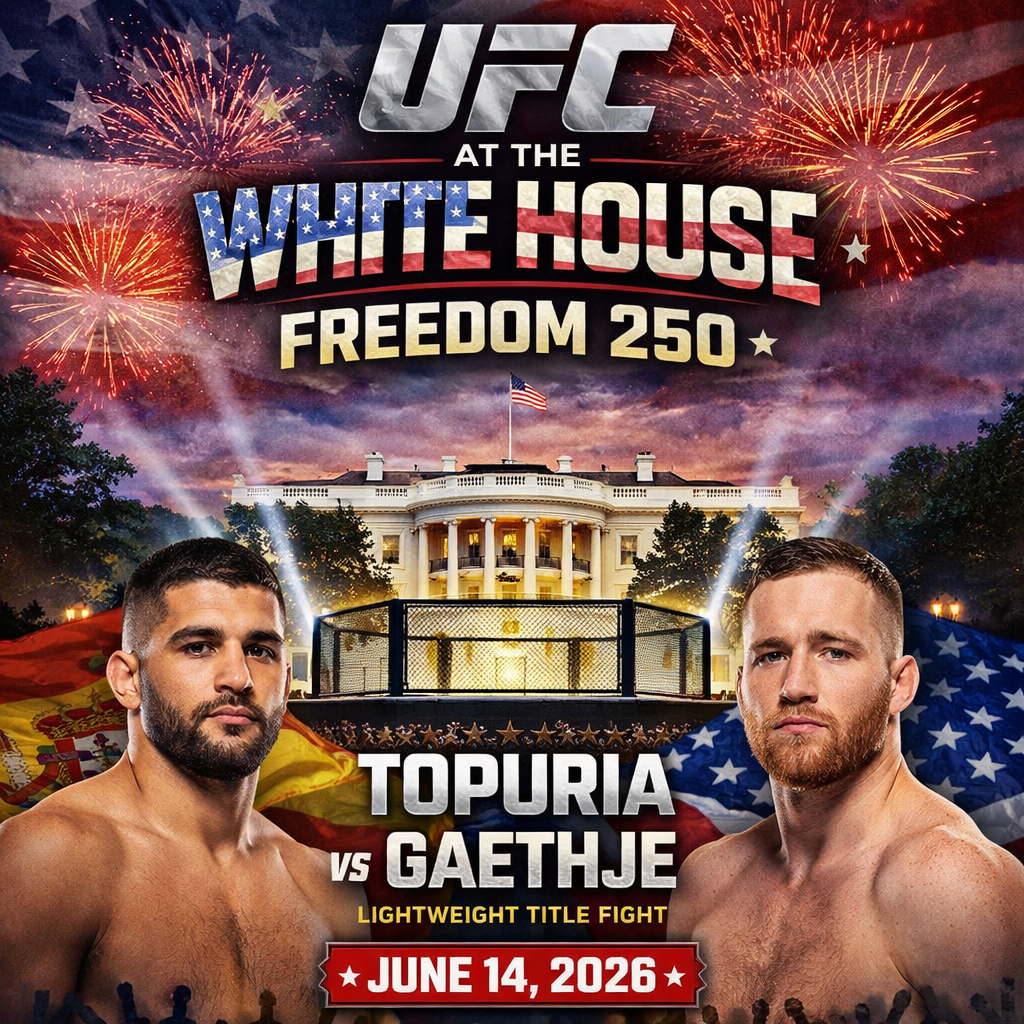
From Outlaw to Oval Office
The Irony of MMA on the White House Lawn
There’s something almost surreal about the idea of a UFC event taking place on the lawn of the White House.
Not long ago, the very sport now being celebrated on America’s most iconic stage was outlawed, condemned, and driven underground—especially here in Pennsylvania.
Let that sink in.
🚫 When MMA Was Illegal
In 1983, Pennsylvania passed what became known as the Tough Guy Law—legislation that effectively banned mixed martial arts competition.
This wasn’t theoretical. It was personal.
My father, Bill Viola Sr., helped create the earliest regulated mixed-style competitions in (1979-1983), years before the Ultimate Fighting Championship even existed. What started as innovation and evolution in combat sports was quickly labeled as dangerous, unregulated, and unacceptable. He and his business partner Frank Caliguri we indeed ahead of their time.
The result?
MMA didn’t disappear—it went underground.
Fighters still trained. Promoters still believed. But the sport itself was treated like something that needed to be shut down rather than shaped.
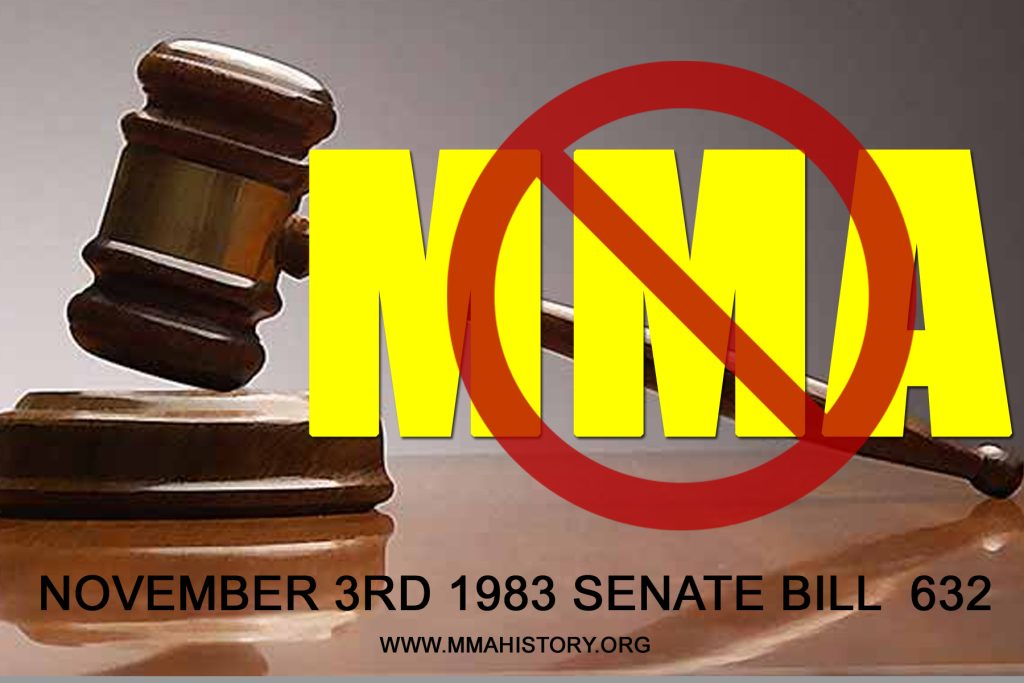
🥊 The Rise They Tried to Stop
Fast forward a few decades.
The same sport once dismissed as “too violent” is now:
-
Regulated in all 50 states
-
Broadcast on major networks
-
Producing global superstars
-
Recognized as one of the fastest-growing sports in the world
And now, it’s being showcased at the highest level imaginable.
The Ultimate Irony
A UFC event on the White House lawn isn’t just historic—it’s ironic.
Deeply ironic.
The same system that once criminalized the sport is now celebrating it.
The same type of competition that lawmakers once feared is now being framed as a symbol of American strength, resilience, and entertainment.
It raises an important question:
Was the sport ever the problem—or was it the lack of understanding?
From Fear to Acceptance
In the early days, MMA challenged tradition.
It didn’t fit neatly into a single box like boxing or wrestling. It was raw, evolving, and ahead of its time. And like many things that challenge the status quo, it faced resistance.
But over time, structure replaced chaos:
-
Rules were refined
-
Safety protocols were implemented
-
Athletic commissions developed oversight
Ironically, the very system that once banned the sport eventually helped legitimize it.
Full Circle
For those of us who lived through MMA’s early days—who saw it banned, criticized, and misunderstood—this moment isn’t just about a fight card.
It’s about perspective.
It’s about how quickly narratives can change.
And it’s about recognizing that progress often looks controversial before it looks obvious.
From outlawed competitions in Pennsylvania to a global spectacle on the White House lawn, MMA’s journey is one of resilience.
But it’s also a reminder.
The next time something new challenges the norm, we should ask ourselves:
Are we witnessing something dangerous…
—or something ahead of its time?
March 20th (2026) marks 46 years of MMA—honoring the pioneers who started it all.
✍️ About the Author
Bill Viola Jr. is an Amazon best-selling author and creator of the award-winning Sensei Says® life skills curriculum. He experienced the “Golden Era” of MMA firsthand, as his father, Bill Viola Sr., is credited as a co-creator of modern mixed martial arts in 1979. His book Godfathers of MMA inspired the critically acclaimed film Tough Guys. The Viola family owns and operates Allegheny Shotokan Karate in Pittsburgh, Pennsylvania. He currently serves as President of Kumite Classic Entertainment Corp. and is the creator of CommonSensei®.
UFC at the White House (2026)
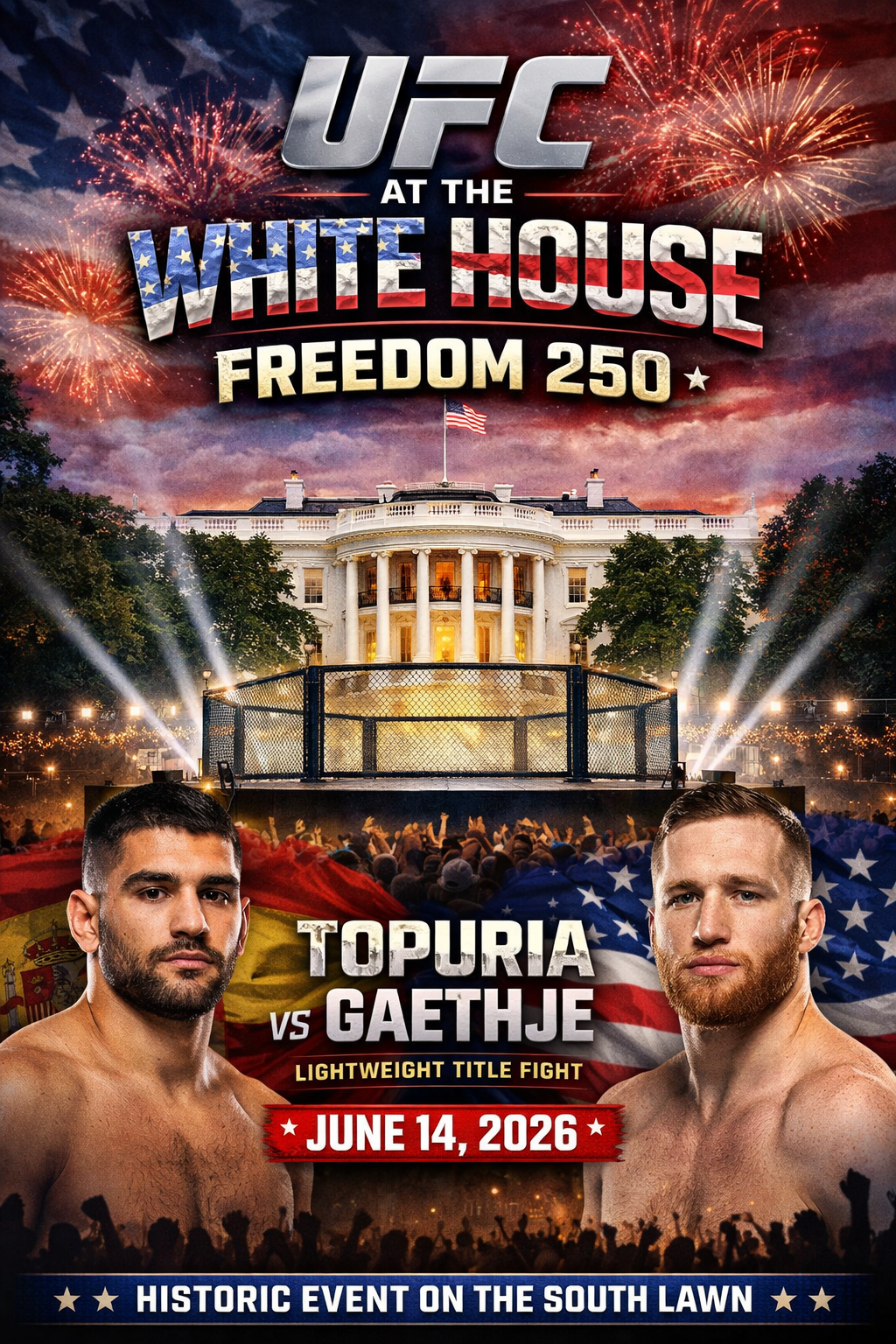
What is it?
-
UFC Freedom 250 is a real, officially planned UFC event
-
Scheduled for June 14, 2026
-
Location: South Lawn of the White House (Washington, D.C.)
👉 This would be the first-ever professional sporting event held at the White House
Why is it happening?
The event is tied to a major national milestone:
-
Celebrates America’s 250th anniversary (1776–2026)
-
Part of a broader “America 250” celebration
-
Idea was pushed by President Donald Trump and UFC CEO Dana White
This is meant to be:
A once-in-a-lifetime patriotic spectacle blending sports + national celebration
Why it’s such a big deal
This is NOT just another fight card:
-
🏛️ Held at the most iconic political location in the U.S.
-
🥊 Combines combat sports + politics + entertainment
-
📺 Expected to be one of the most-watched UFC events ever
-
🎬 Designed as a “one-of-one” mega-production
Fight card (what we know so far)
Main Event
-
Ilia Topuria vs. Justin Gaethje (lightweight title unification)
Other major fights rumored/announced:
-
Alex Pereira vs. Ciryl Gane (heavyweight)
-
Sean O’Malley vs. Aiemann Zahabi
-
Michael Chandler on the card
-
Bo Nickal featured bout
👉 Expect 6–7 total fights, not a full 13-fight card
Crowd & setup
-
~5,000 VIP spectators on the South Lawn
-
Up to 80,000 fans nearby (Ellipse viewing area)
-
Many tickets expected to be free for military members
Cost & scale
-
Estimated cost: $50–60+ million
-
UFC paying for everything (not taxpayers)
-
Even the grass replacement alone could cost ~$1M
Controversy
This is where things get wild:
❗ Sanctioning dispute
-
UFC may NOT get official approval from D.C. athletic commission
-
Reason: event is on federal land (White House)
-
UFC argues local rules don’t apply
-
Fights may be considered “unsanctioned”
-
Could NOT count on fighters’ official records
That’s basically unheard of for a major UFC event.
Why people are debating it
Critics say:
-
Sets a dangerous precedent (bypassing commissions)
-
Raises safety/regulation concerns
-
Blurs line between sport and politics
Supporters say:
-
Historic moment for MMA
-
Huge exposure for the sport
-
Symbolic American celebration
🇺🇸 Bigger picture
This event represents:
-
UFC’s evolution from outlaw sport → mainstream spectacle
-
Deep ties between UFC leadership and political figures
-
A push to make MMA part of American cultural identity
The White House UFC event is:
The most ambitious and controversial event in UFC history
A mix of sports, politics, patriotism, and entertainment
Potentially a record-breaking global broadcast
But also facing legitimacy questions due to regulation issues